Classes begin may 2027
Chess Nomad
Charting Lost Paths of Thought—Curiosity, Observation, and Exploration through Chess


Early Involvement
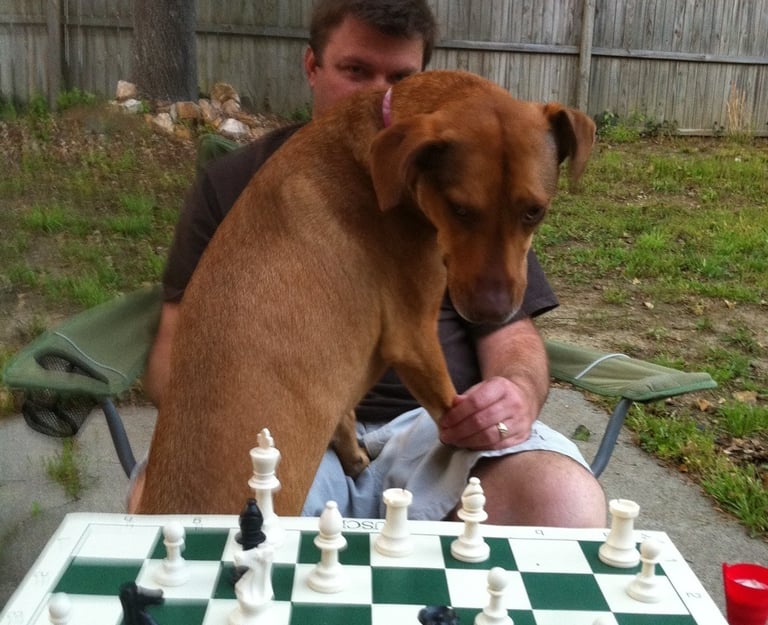
What started as a casual interest in chess in 2009 gradually became something more practical and grounded: a way to observe how people think, decide, and adapt. I introduced the game to my wife, who had a background as a corporate trainer. The following year, she met an international chess master at a major tournament in Atlanta and soon began assisting with after-school chess programs. That experience planted the seed for a business idea that took years to mature as she continued teaching and refining her approach. It’s hard to pinpoint exactly how ideas like that form, but her enthusiasm for chess education was hard to ignore.
Around that time, I began volunteering and organizing activities in nursing homes and hospices, often introducing chess to residents. Working with individuals facing memory and cognitive challenges sharpened my ability to observe learning without relying on assumptions. Those experiences continue to inform how I work with adults across age groups today. Eventually, we stepped back from chess to focus on caring for my wife’s grandparents and our newborn daughter.
The interest in chess education never disappeared—our priorities simply shifted. In 2018, we began buying and selling chess equipment online, which led me to organize weekly Saturday chess meetups at rotating locations in Paulding County. During that period, I met a chess teacher whose work encouraged us to expand the retail side of the business. In 2020, during the early months of COVID, we discovered an online chess teaching platform and began offering virtual lessons. As restrictions eased, we found online marketing more challenging than expected and transitioned toward in-person classroom instruction, which ultimately aligned better with how we wanted to teach and engage.
Your Involvement
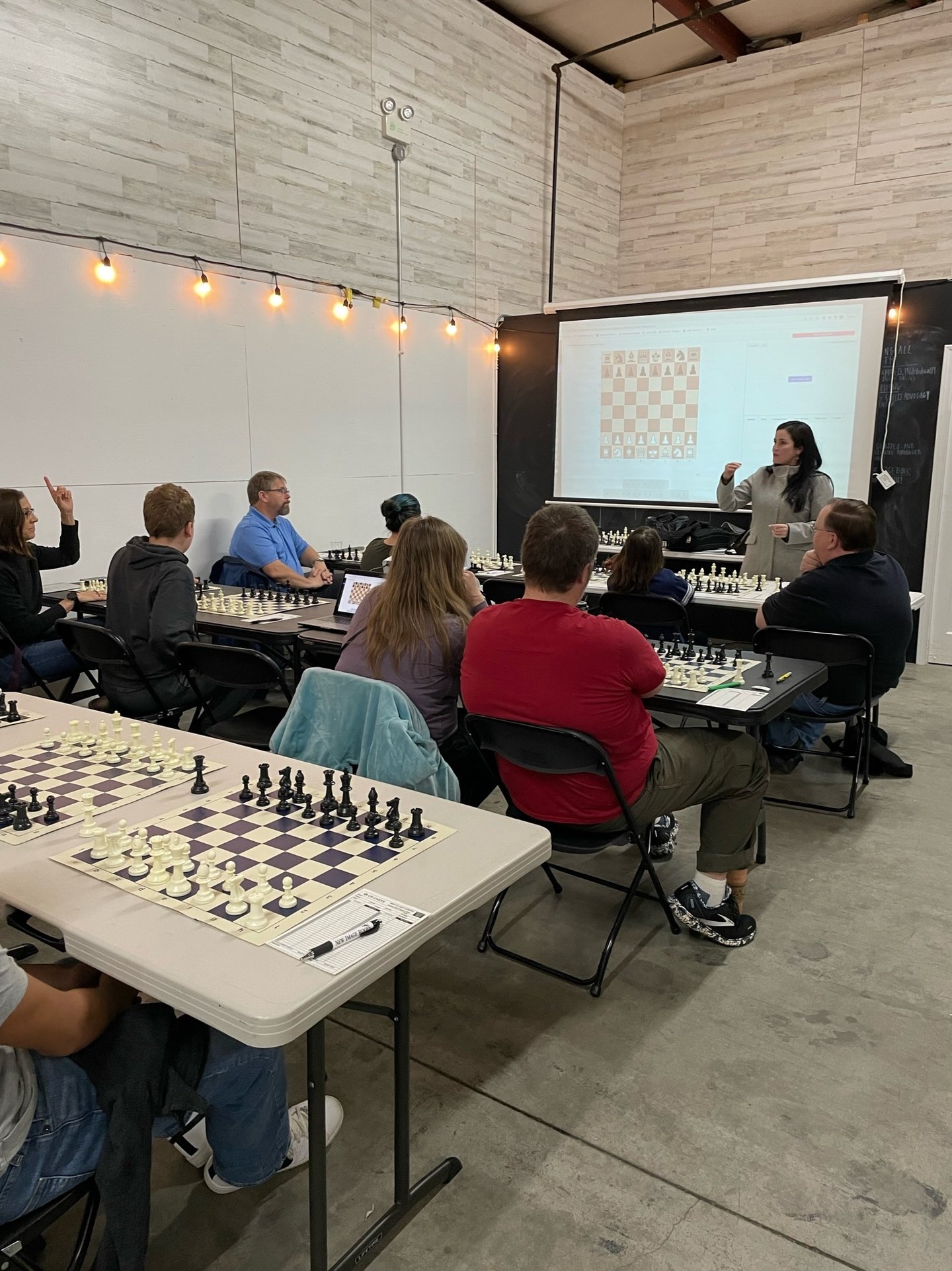
Today, Chess Nomad is built on a simple idea: strong learning environments grow when educators are trusted, supported, and given room to experiment. The program follows a train-the-trainer model focused on adult education, practical application, and steady, organic growth. The work centers on helping educators think clearly, adapt confidently, and use chess as a tool for teaching broader skills like decision-making, pattern recognition, and reflection.
Chess Nomad focuses on training educators rather than scaling classrooms. Instead of rigid curricula or top-down expansion, it uses chess as a practical thinking tool to help adults develop judgment, adaptability, and confidence in how they teach. The model is intentionally flexible—educators can experiment, refine their approach, and decide how deeply they want to engage over time.
In this role, you’ll support educators by modeling flexible teaching approaches, collaborating with community members and influencers, and fostering open, constructive communication. While there may be occasional opportunities for informal role play or open play sessions with children, the core responsibility is training and supporting adults.
Some educators may want to explore the work gradually through limited sessions, while others may choose a deeper level of involvement, including contributing to program development or business growth. Guidance is available for those who want it, without pressure to follow a predefined path.
Chess Nomad is still evolving, and this role reflects that. The goal isn’t rapid expansion or standardization—it’s to grow thoughtfully by empowering educators, strengthening local learning communities, and allowing the model to develop in response to real-world use.