Classes begin may 2027
Chess Nomad


Charting Lost Paths of Thought—Curiosity, Observation, and Exploration through Chess
The Early Days
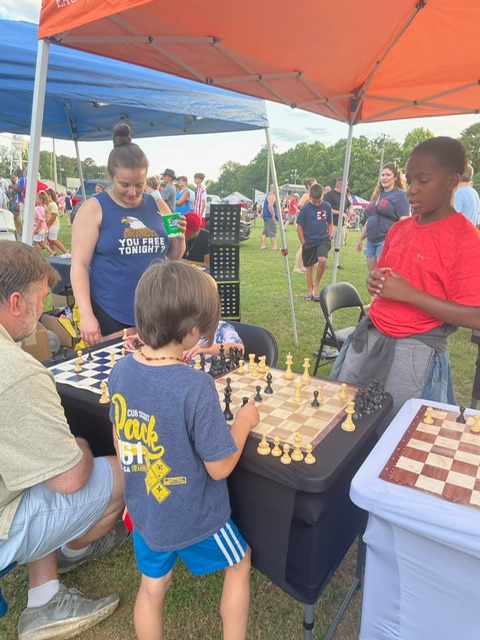
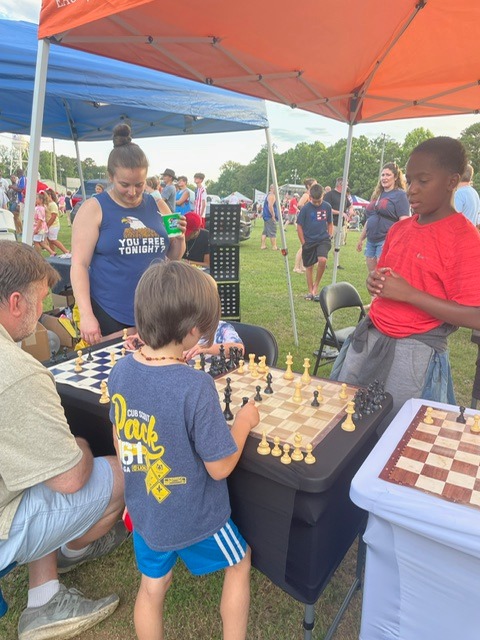
Many people shied away from chess because of common misconceptions—they thought it was only for the highly intellectual or unusually patient. We were passionate about breaking down those barriers by using tailored teaching methods that made chess both accessible and enjoyable for all learners. The feedback from our local community spoke volumes—chess helped build self-confidence, self-discipline, and resilience. Our goal was to move beyond traditional instruction and help revolutionize how chess was taught and experienced, making it a tool for connection, growth, and empowerment.


About Chess Nomad
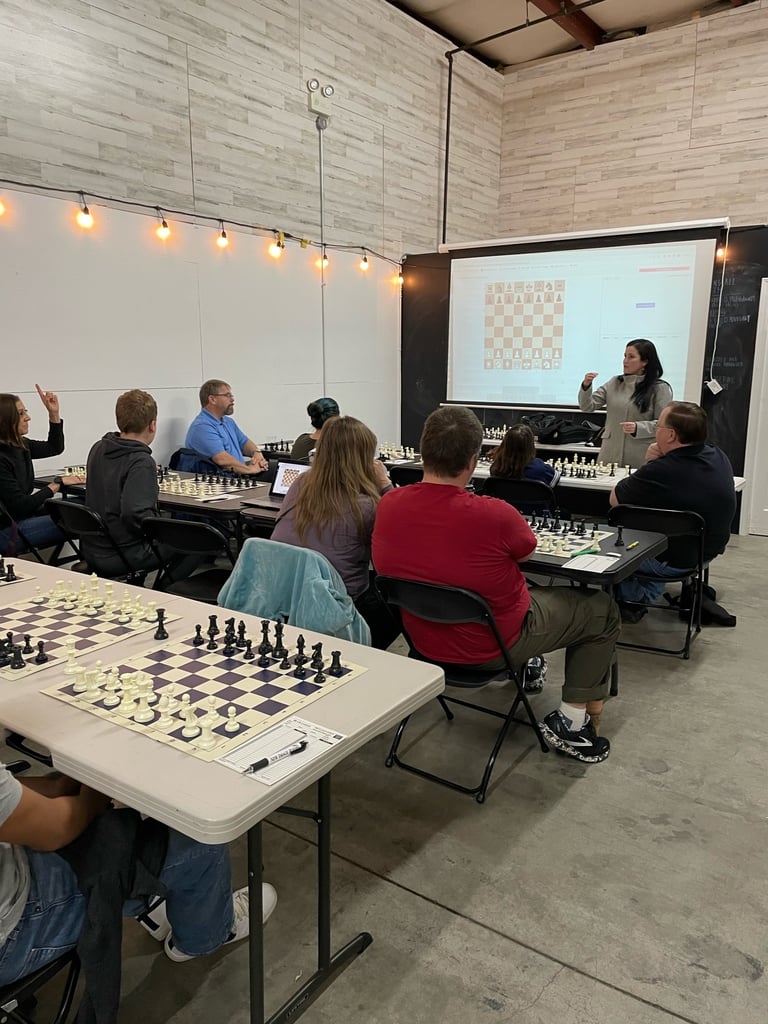
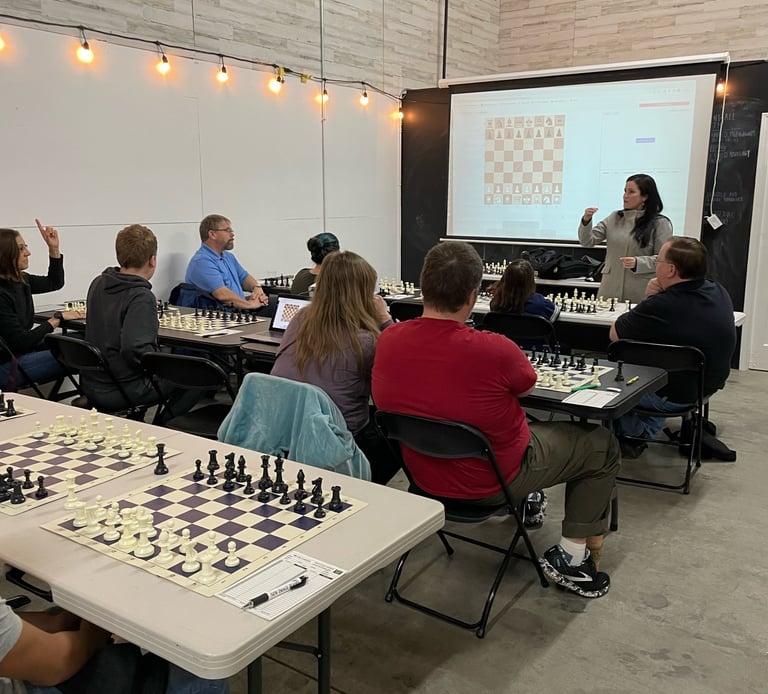
Our beginner-friendly chess courses are designed for teachers seeking balanced activities for students. We teach educators to inspire kids in chess using an immersive approach, breaking learning into manageable pieces for effective understanding and engagement. Our chess courses provide spaces where teachers can feel embraced and build genuine relationships beyond the chessboard.
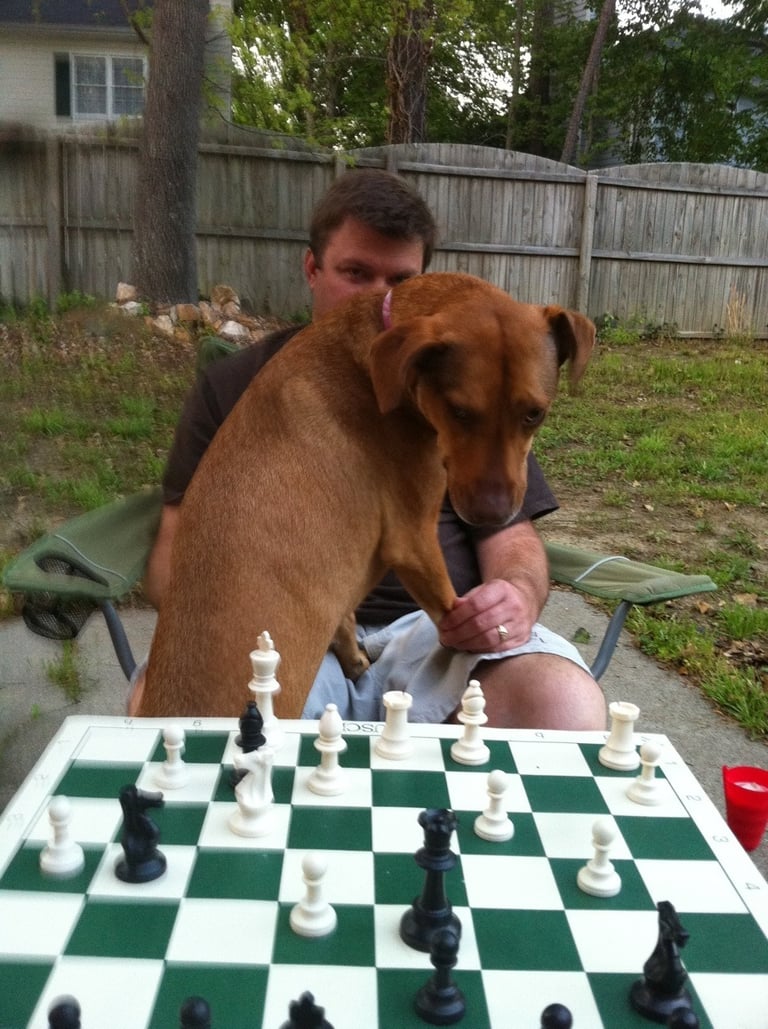
A New Hobby
What started as a casual interest in chess in 2009 gradually became something more practical and grounded: a way to observe how people think, decide, and adapt. I introduced the game to my wife, who had a background as a corporate trainer. The following year, she met an international chess master at a major tournament in Atlanta and soon began assisting with after-school chess programs.
Around that time, I began volunteering and organizing activities in nursing homes and hospices, often introducing chess to residents. Working with individuals facing memory and cognitive challenges sharpened my ability to observe learning without relying on assumptions. Those experiences continue to inform how I work with adults across age groups today.
Today
Chess Nomad is built on a simple idea: strong learning environments grow when educators are trusted, supported, and given room to experiment. The program follows a train-the-trainer model focused on adult education, practical application, and steady, organic growth. The work centers on helping educators think clearly, adapt confidently, and use chess as a tool for teaching broader skills like decision-making, pattern recognition, and reflection.
Chess Nomad focuses on training educators rather than scaling classrooms. Instead of rigid curricula or top-down expansion, it uses chess as a practical thinking tool to help adults develop judgment, adaptability, and confidence in how they teach. The model is intentionally flexible—educators can experiment, refine their approach, and decide how deeply they want to engage over time.